Understanding Lift Gates
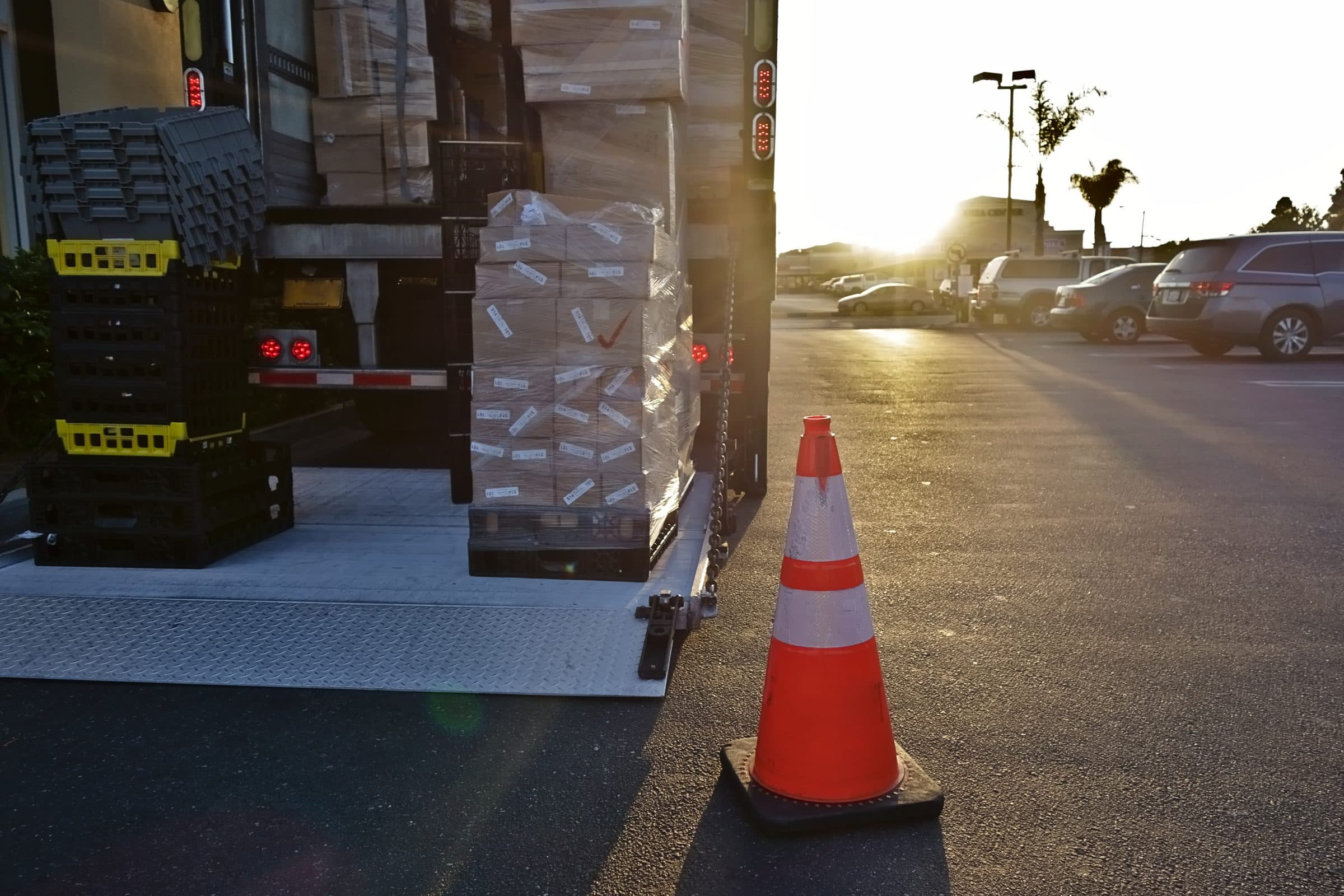
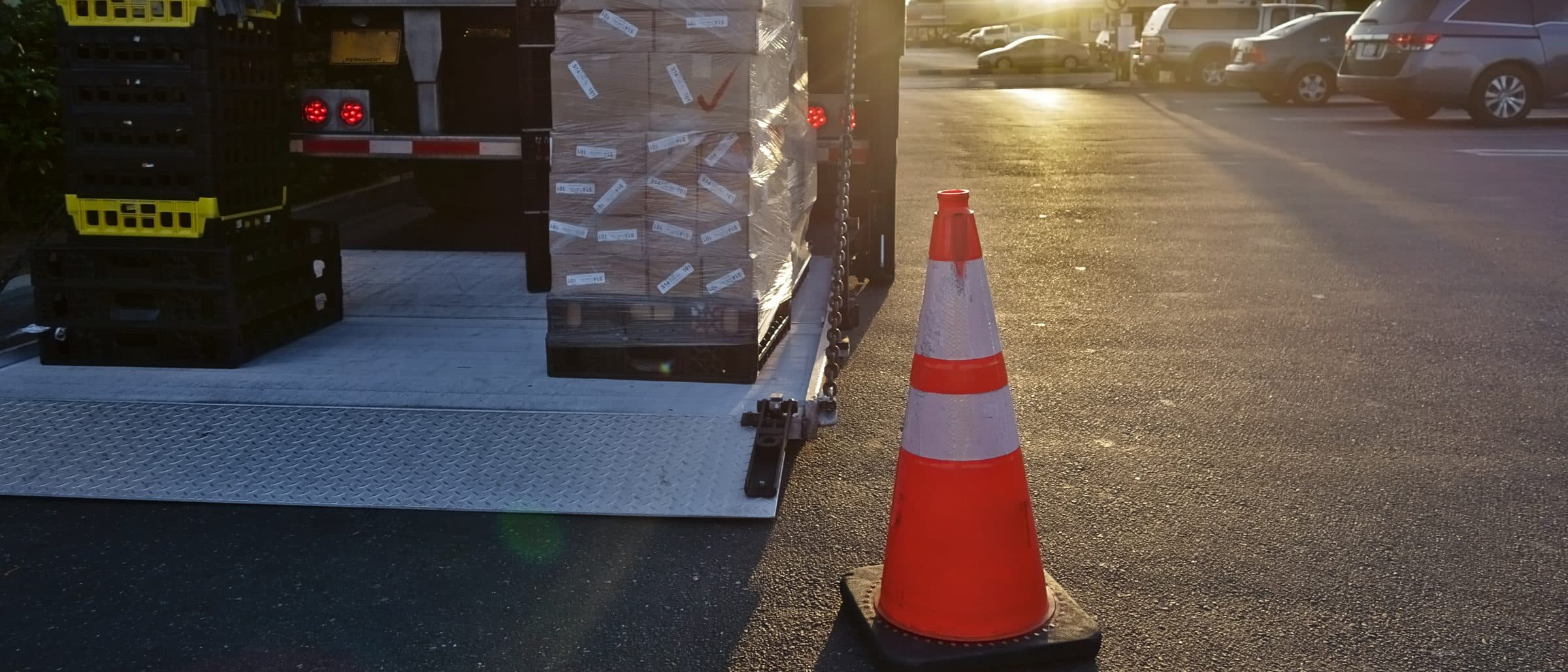
Lift gates are hydraulic or electric platforms mounted on the rear of trucks and vans. They move cargo between the vehicle bed and the ground, which makes loading and unloading heavy cargo practical, and they're essential equipment in logistics and transportation.
How do lift gates work?
A hydraulic or electric system raises and lowers the platform, so goods can be moved efficiently without additional equipment such as forklifts. The lift gate is typically controlled by a switch or remote, which makes it easy for one person to operate.
Types of lift gates
There are several types of lift gates, each designed for specific needs:
- Cantilever lift gates are versatile and can handle uneven terrain, which makes them ideal for vehicles that often work in varied environments.
- Tuck-under lift gates fold under the truck when not in use, which saves space and reduces the risk of damage.
- Rail lift gates suit high-capacity loads; they're stable and can handle heavy-duty work.
- Column lift gates are designed for high-volume operations and can be found on larger trucks.
Where lift gates are used
Industries that use lift gates include:
- Retail, for efficient delivery of goods to stores.
- Construction, for transporting heavy equipment and materials.
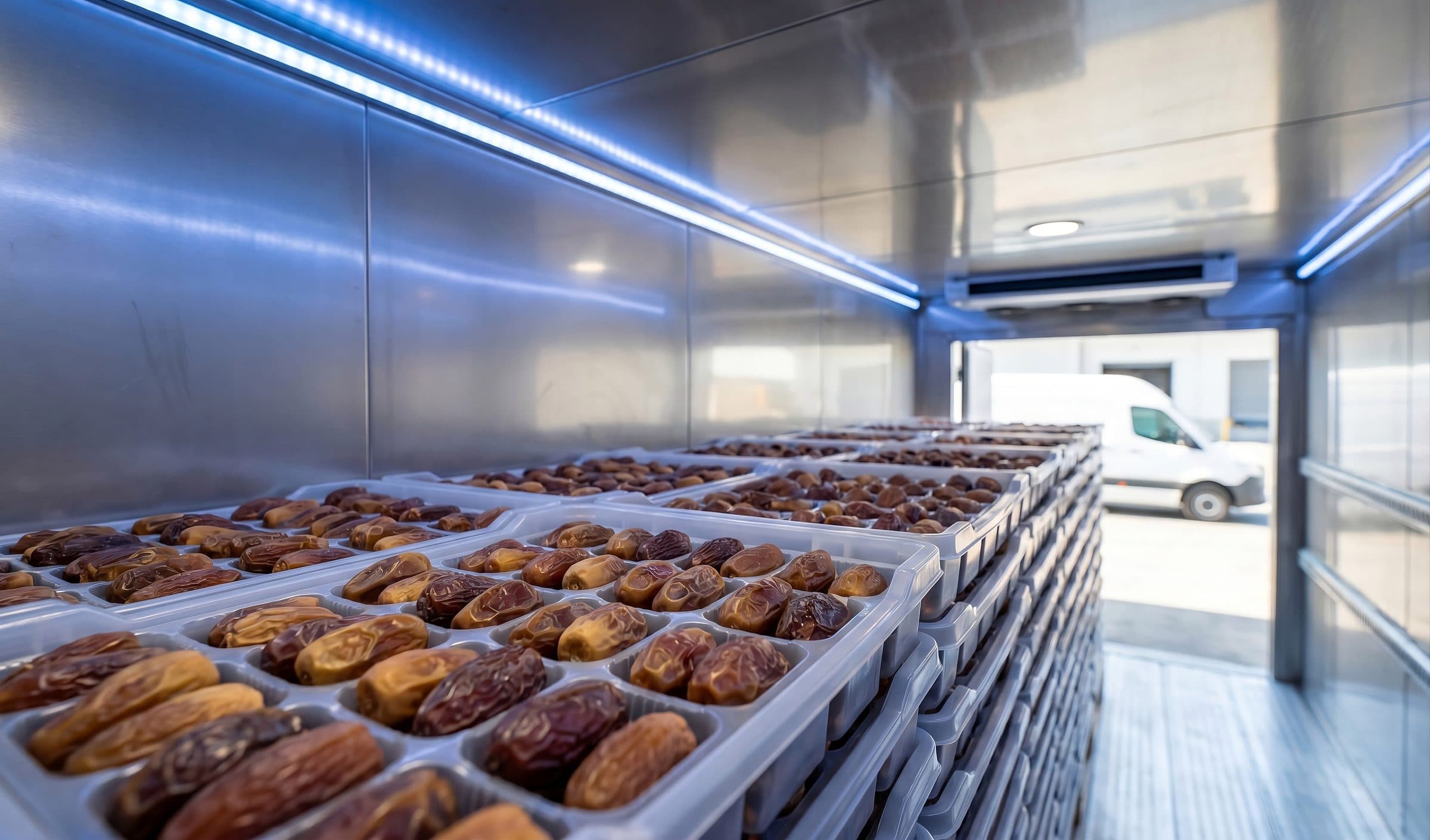
- Food and beverage, for distributing perishable items.
- Healthcare, for moving medical supplies and equipment.
Benefits and potential drawbacks
Benefits of lift gates include:
- They make loading and unloading more efficient.
- They reduce the risk of injury by cutting down on manual handling.
- They adapt to different vehicle types and cargo sizes.
Buyers should also keep these potential drawbacks in mind:
- They need regular upkeep to keep working, which adds maintenance costs.
- Installation can be a significant upfront cost.
Thermo King of the Southeast sells Palfinger, Leyman, Waltco and Maxon lift gates, along with parts and service. Visit any of our seven shops in Florida, Georgia and Mississippi to see our selection.